
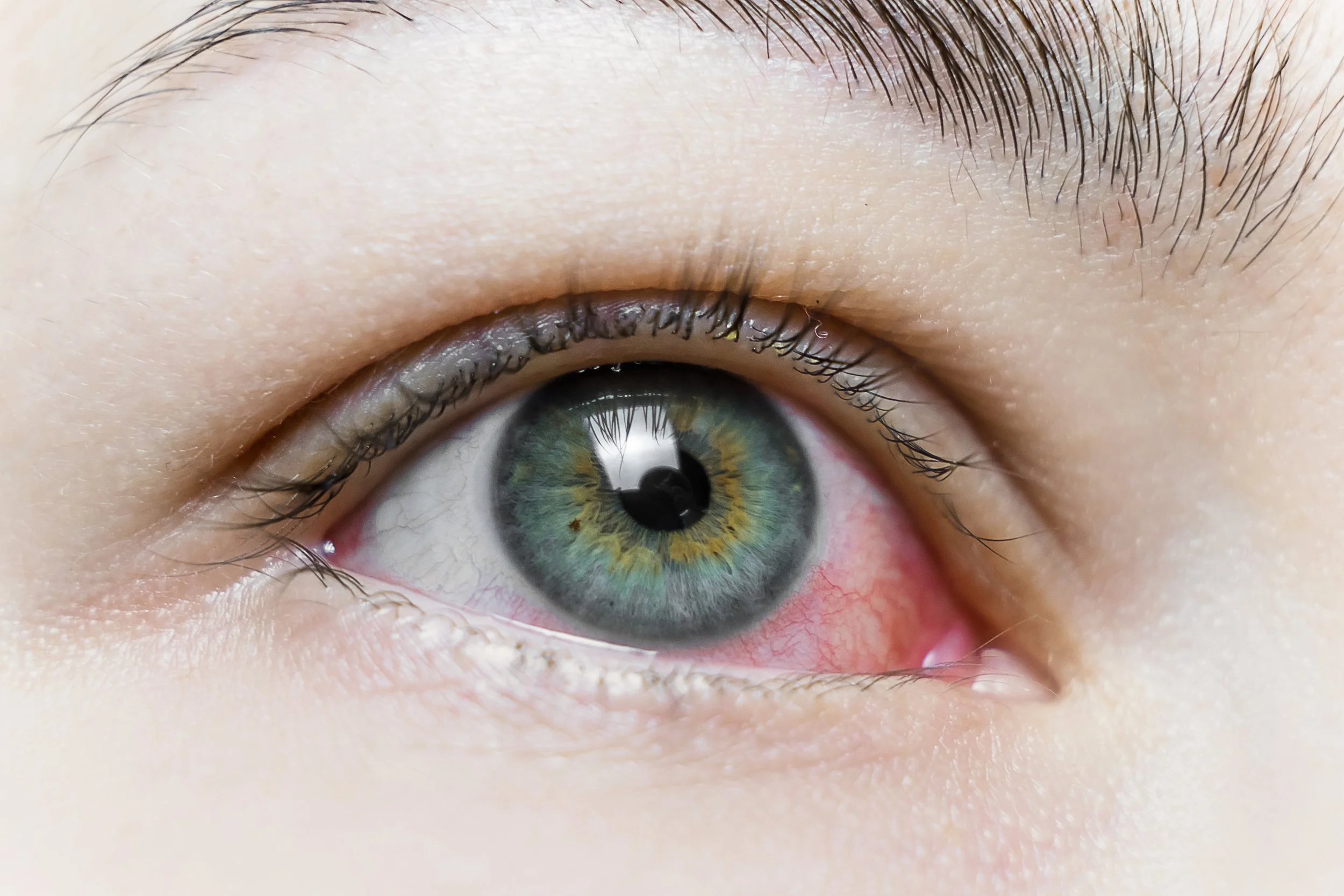
What is dry eye?
The tear film in your eye is made up of two glands that produce the watery part of tears and one gland that makes oil. These glands are found on the surface of the eye and in the eyelids. Dry eye happens when there is less of either the watery or oily layer. This condition often results from not having enough tears or from tears that do not work well. Tears do more than just keep the eyes moist. If any part of the tear film is not working properly, dry eye can develop.
Symptoms
Feeling of discomfort like grittiness, burning, and foreign-body sensation
Eyelid heaviness, ache behind the eyes, and ocular fatigue
Redness
Burning
Excessive tearing
Blurry vision
Risk Factors
Taking diuretics, antihistamines, or a variety of other medications
Work environment
Wearing contacts
Recently underwent LASIK eye surgery
Thyroid dysfunction
Menopause
Treatments
The first step in managing dry eye disease is a comprehensive eye examination to identify its underlying cause. Treatment options are tailored to address these specific factors and often involve a combination of therapies to improve eye comfort. While dry eye disease cannot be completely cured, the goal of treatment is to ease symptoms and protect the eyes from long-term harm.
Artificial Tear drops
Regular use of artificial tear drops or gels, applied two to three times daily, is the primary approach for managing dry eye. With a wide selection of brands and formulations available, it’s best to choose a reputable product and experiment to discover which brings you the greatest comfort. It’s important to steer clear of daily use of redness-relief drops, as these can lead to a rebound effect and persistent eye redness.
Prescription Eye Drops
A frequent root cause of dry eye disease is ongoing inflammation in the glands responsible for producing tears and oil. Prescription medications such as Restasis® are designed to target and reduce this inflammation, which can otherwise disrupt both the amount and quality of tears. These medications require a prescription and are not substitutes for artificial tears.
Unlike artificial tears, which mainly provide surface moisture, these prescription drops work best alongside regular use of artificial tears. Improvements may take several weeks or even months to become noticeable, but with continued use, their effectiveness tends to increase. Most patients remain on these medications for a year or longer, as they are safe for long-term use. By addressing the underlying inflammation, they promote healthier tear production and ocular surfaces, rather than just supplementing moisture.
Ophthalmic Ointments
When dry eye symptoms are most bothersome at night or upon waking, applying an ophthalmic ointment before bedtime can help. Unlike artificial tears and gels, these petroleum-based ointments do not evaporate, forming a protective layer over the eye’s surface during sleep. This barrier helps your eyes heal and stay comfortable overnight. Most brands that offer artificial tears also sell ointments specifically labeled for nighttime or "PM" use.
Punctal Plugs
Both your upper and lower eyelids contain small drainage channels called puncta. These tiny openings serve as exit points, moving naturally produced tears from the surface of your eyes into your nasal cavity. As they do so, they help clear away dust, allergens, and debris.
For those who don’t produce enough tears, punctal plugs are an option. These tiny devices can be inserted into the drainage canals of the eyelids to slow tear outflow. By keeping natural and artificial tears on the eye surface longer, punctal plugs provide extra relief for dry eyes. They’ve been used for many years and are considered a safe and effective addition to dry eye treatment.